The Office of the Vice President for Research oversees several research centers and institutes, all with a focus on groundbreaking collaborative research that seeks to solve grand challenges faced in today's modern society. Learn more about the centers and institutes under the OVPR's umbrella.

Center for Environmental Sciences and Engineering (CESE)
Center for Environmental Sciences and Engineering (CESE) comprises more than 160 faculty members from the biophysical and social sciences, as well as from engineering and agriculture. The Center’s mission is to lead and promote multidisciplinary research, education and outreach in environmental sciences, engineering, policy, and sustainability.

Center for Open Research Resources and Equipment (COR²E)
Core research facilities provide highly specialized services, equipment, and staff that would otherwise be too expensive for a single laboratory or department to maintain. A variety of research cores are available to UConn faculty, including those housed in the Center for Open Research Resources and Equipment (COR²E).

Connecticut Institute for Resilience and Climate Adaptation (CIRCA)
The mission of the Connecticut Institute for Resilience and Climate Adaptation (CIRCA) is to increase the resilience and sustainability of vulnerable communities along Connecticut’s coast and inland waterways to the growing impacts of climate change on the natural, built, and human environment.

Connecticut Sea Grant
Connecticut Sea Grant is part of a national network comprised of 34 Sea Grant programs based at flagship universities in U.S. coastal and Great Lake states and territories. The National Sea Grant College Program encourages the wise stewardship of our marine resources through research, education, outreach and technology transfer.
Eversource Energy Center
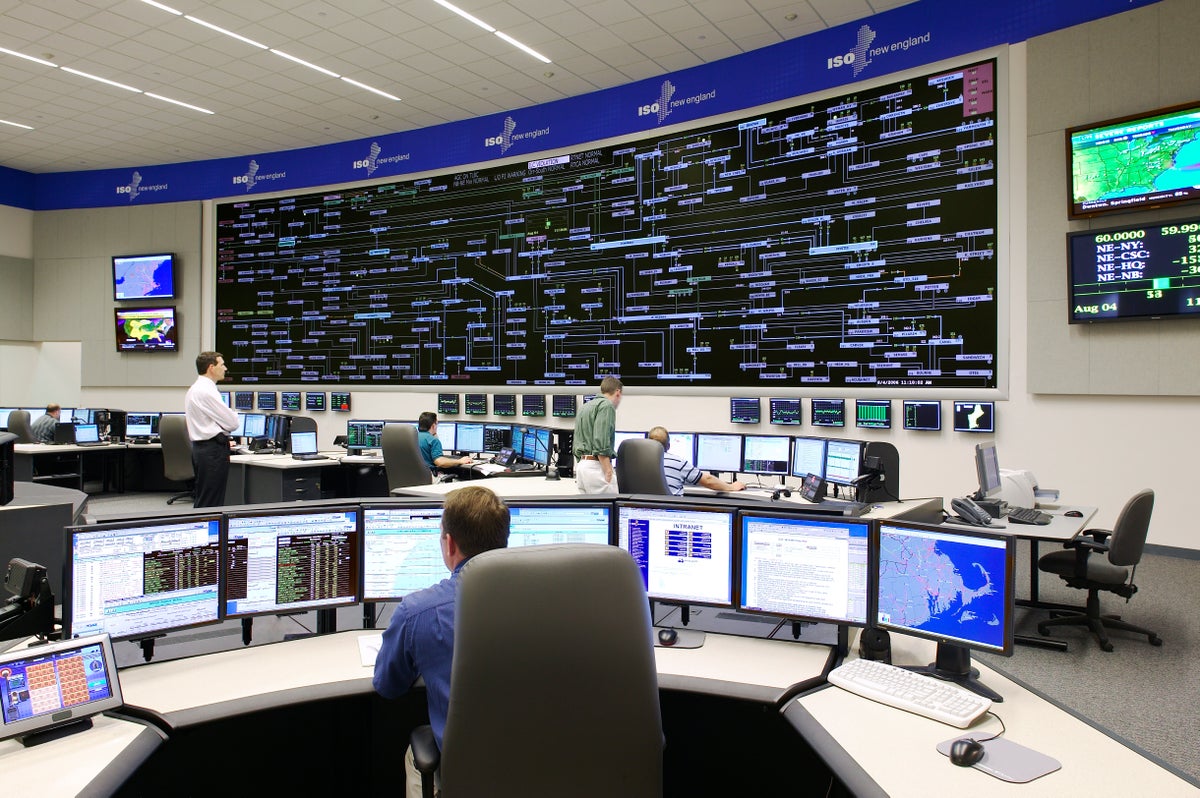
The Eversource Energy Center is a partnership between UConn and Eversource focused on improving the reliability, resilience, and security of the electric grid. Through interdisciplinary research and technology development, the Center addresses challenges related to extreme weather, grid modernization, renewable energy integration, and cybersecurity, while supporting utility preparedness, emergency response, and workforce development.

Institute for Collaboration on Health, Intervention, and Policy (InCHIP)
The Institute for Collaboration on Health, Intervention, and Policy (InCHIP) is a multidisciplinary research institute dedicated to the creation and dissemination of new scientific knowledge and theoretical frameworks in the areas of health behavior and health behavior change at multiple levels of analysis (e.g., individual, environmental, social, and policy)

Institute for Systems Genomics
The Institute for Systems Genomics (ISG) brings together interdisciplinary research and training in genomics and personalized medicine across UConn campuses and partner institutions. Its research spans areas including molecular and computational biology, human and microbial genomics, and the development of genomic technologies. The Institute also supports research through specialized core facilities, education, and training programs.
Institute of Materials Science
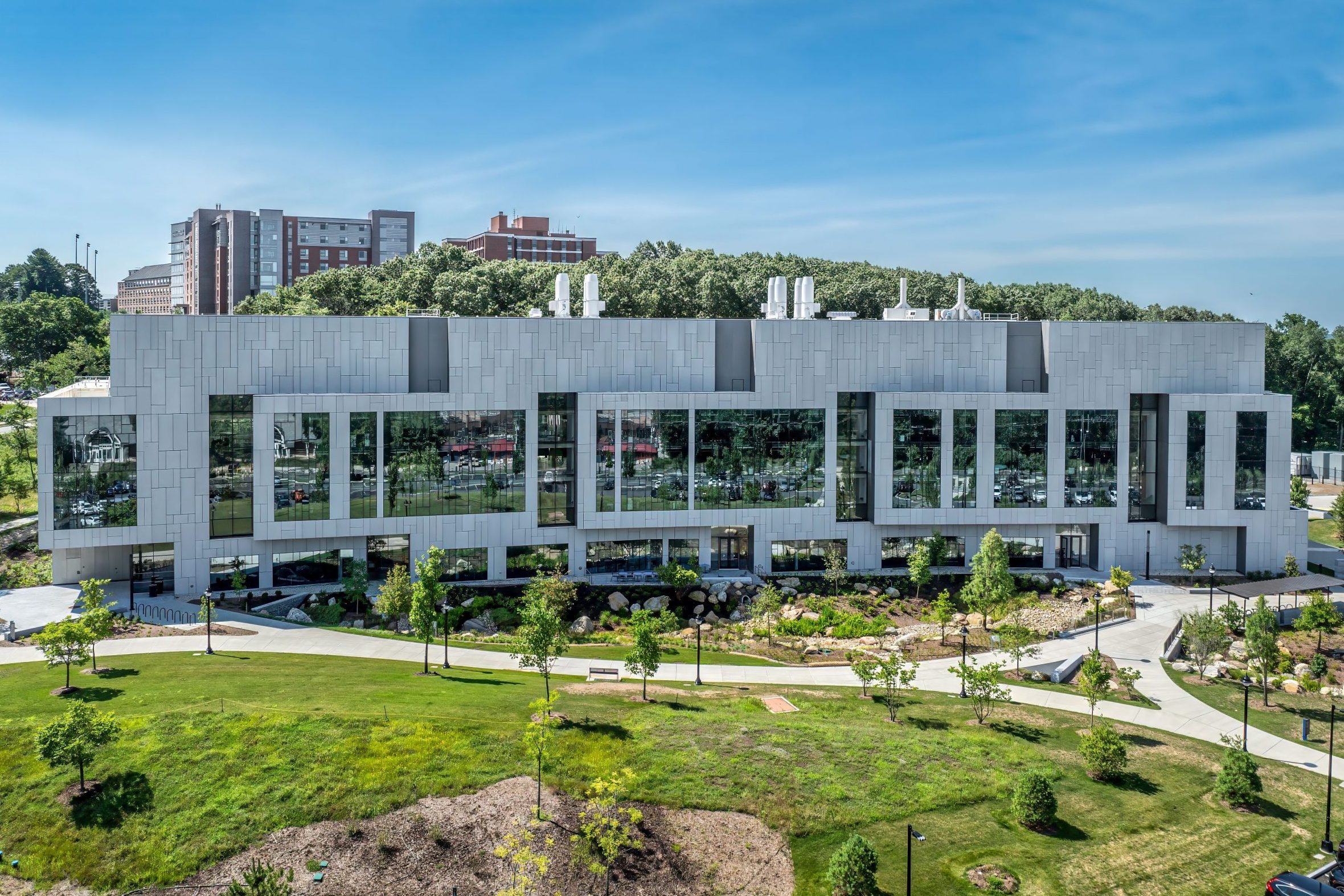
The Institute of Materials Science (IMS) promotes research, education, and outreach in materials science and engineering. Faculty from multiple disciplines conduct interdisciplinary research and provide specialized materials characterization and analysis services to industry. The Institute also supports graduate education and maintains research facilities and instrumentation for materials research.

National Institute for Undersea Vehicle Technology
The National Institute for Undersea Vehicle Technology (NIUVT) is a partnership among UConn, the University of Rhode Island, and General Dynamics Electric Boat focused on advancing undersea vehicle technologies. Through collaborative research, technology development and transfer, and workforce education, the Institute works to improve undersea vehicle performance, support shipbuilding innovation, and prepare the next generation of technical professionals.

Office of Sustainability
The UConn Office of Sustainability works with students, faculty, staff, and university leadership to advance sustainability goals across UConn’s campuses. Its work spans campus operations, climate action, energy, waste reduction, conservation, and sustainable transportation, along with educational programs and experiential learning opportunities that promote environmental stewardship.

UConn Tech Park
UConn Tech Park provides an ecosystem that inspires great ideas and collaboration between industry and academic scientists. At the IPB, cross-disciplinary research teams develop novel approaches to critical real world problems in fields ranging from manufacturing to biomedical devices to cybersecurity.